 English
 Čeština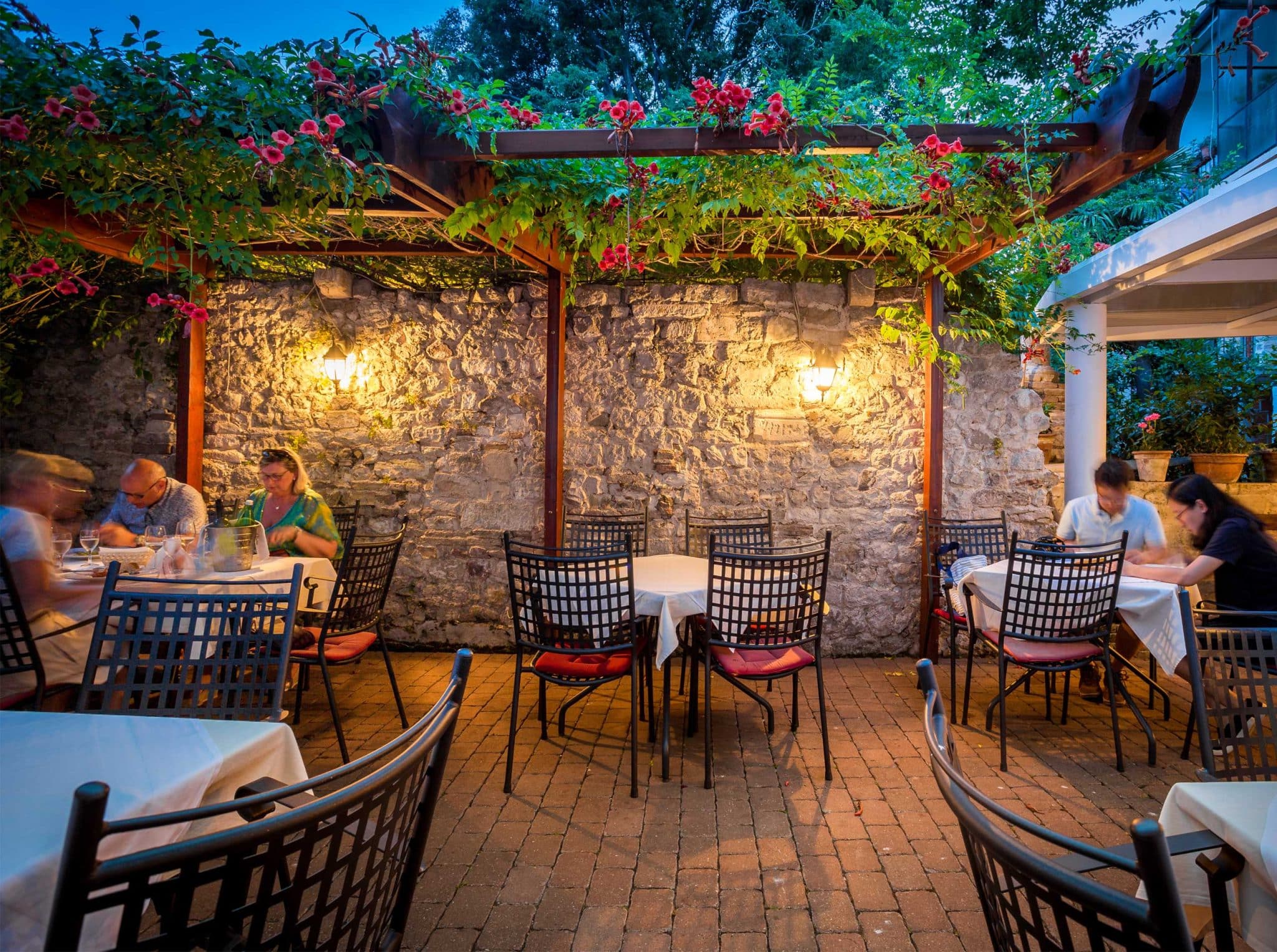
What does the Zadar region of Croatia taste like?
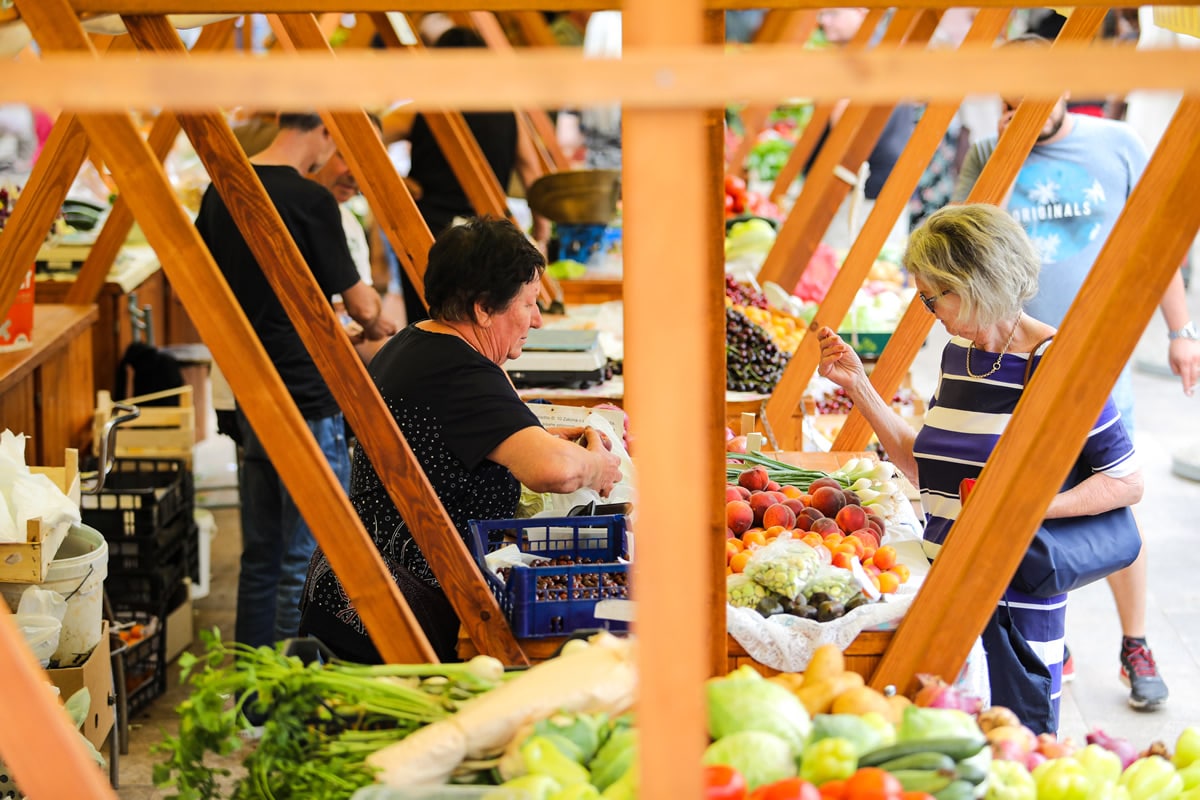
Anyone who has tasted Dalmatia knows that Croatian cuisine doesn’t need complexity – just fresh ingredients, a drop of olive oil, and plenty of herbs. It’s full of fresh fish and seafood, juicy tomatoes, delicate cheese, and wine that carries the strength of the sun and salty wind.
Our part of Croatia offers a true gourmet experience that comes from simplicity and a love of food. The pillars of local gastronomy stand on olive oil, sea salt, herbs such as rosemary, sage, thyme, and bay leaf, and lovingly grown vegetables – tomatoes, zucchini, eggplant, garlic, and onions, whose taste of the sun cannot be imitated.
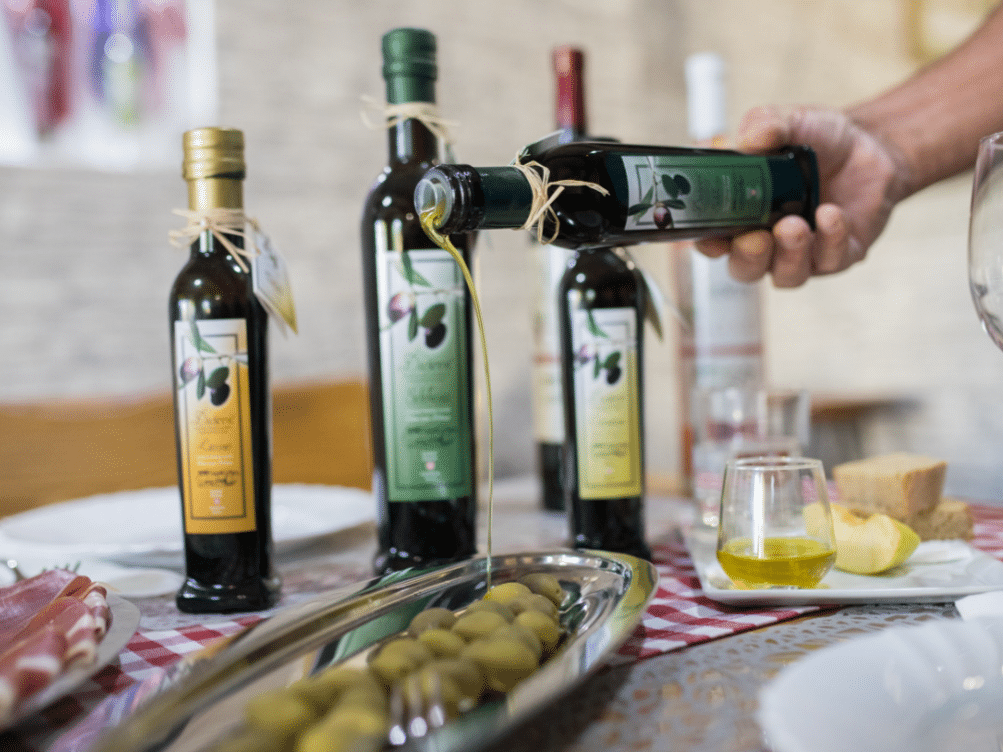
Olive oil has been produced here for centuries and is among the highest quality in Europe – try tasting it directly from local producers. Not only is it used in cooking, but it is often served simply with bread and salt as a simple yet perfect appetizer.
What must you taste?
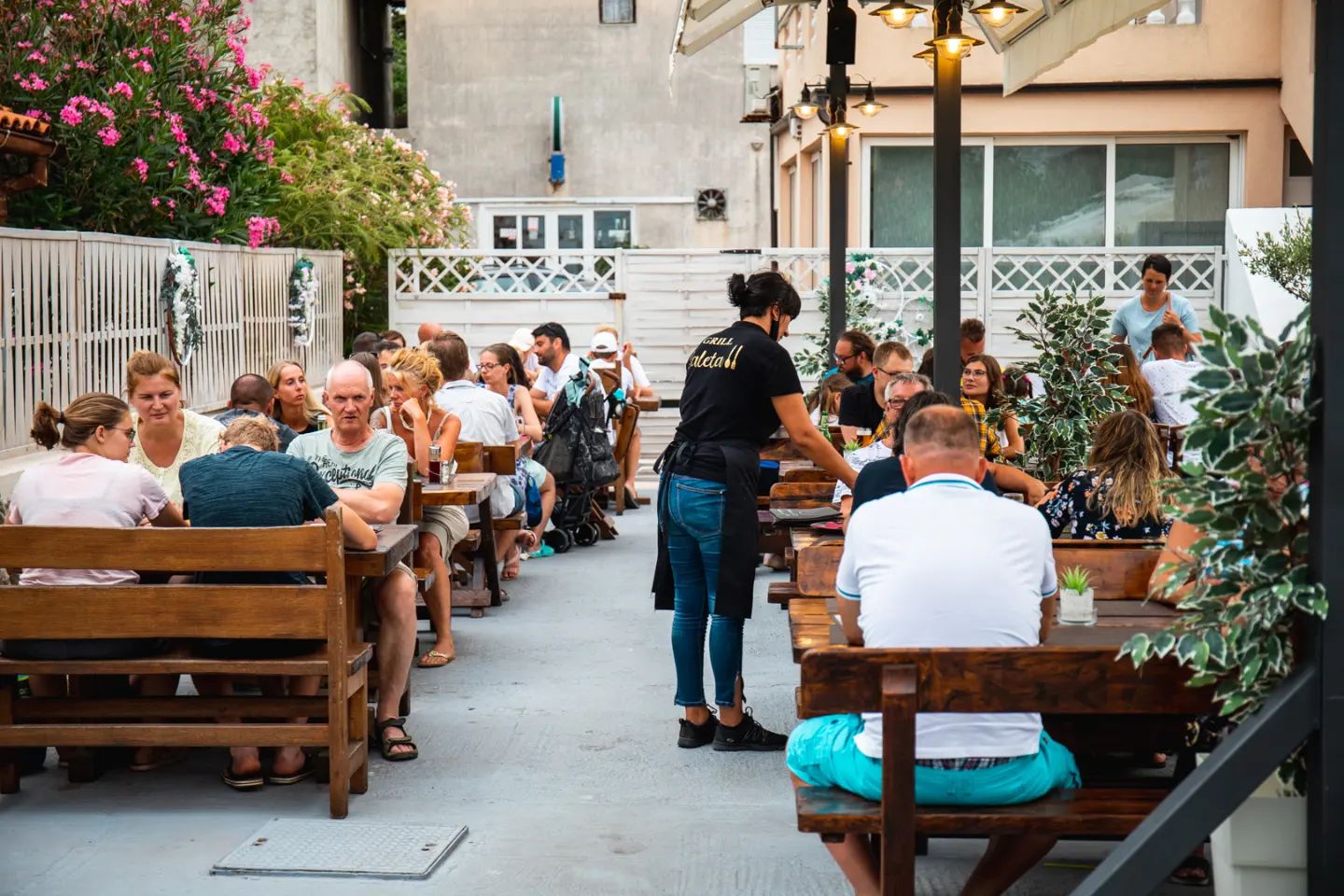
The basis of the local cuisine is fish and seafood. Grilled sardines, tuna, sea bream, sea bass, calamari, and shrimp can be found in almost every tavern (“konoba”), and we recommend tasting them with blitva, a spinach and potato side dish.
Be sure to also try brudet, a traditional fish stew made from various types of fish, slowly simmered in tomato sauce with wine, onions, and garlic, or peka, slowly baked meat or seafood (especially octopus) under a metal lid covered with hot ashes.
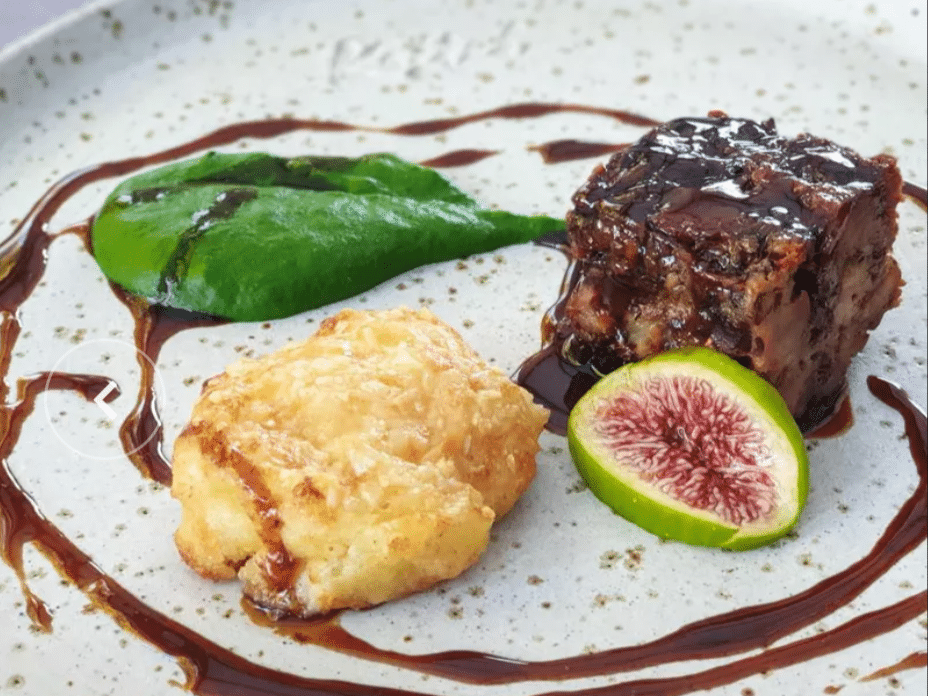
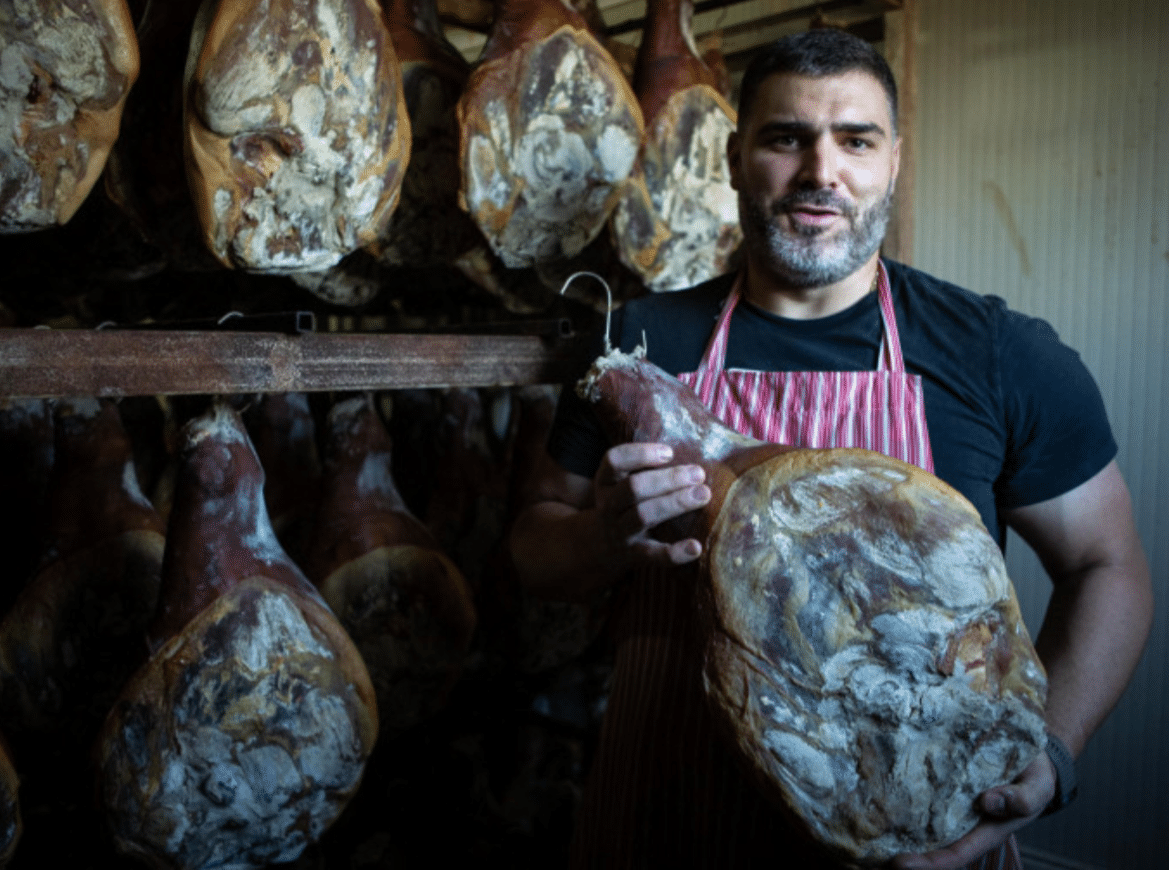
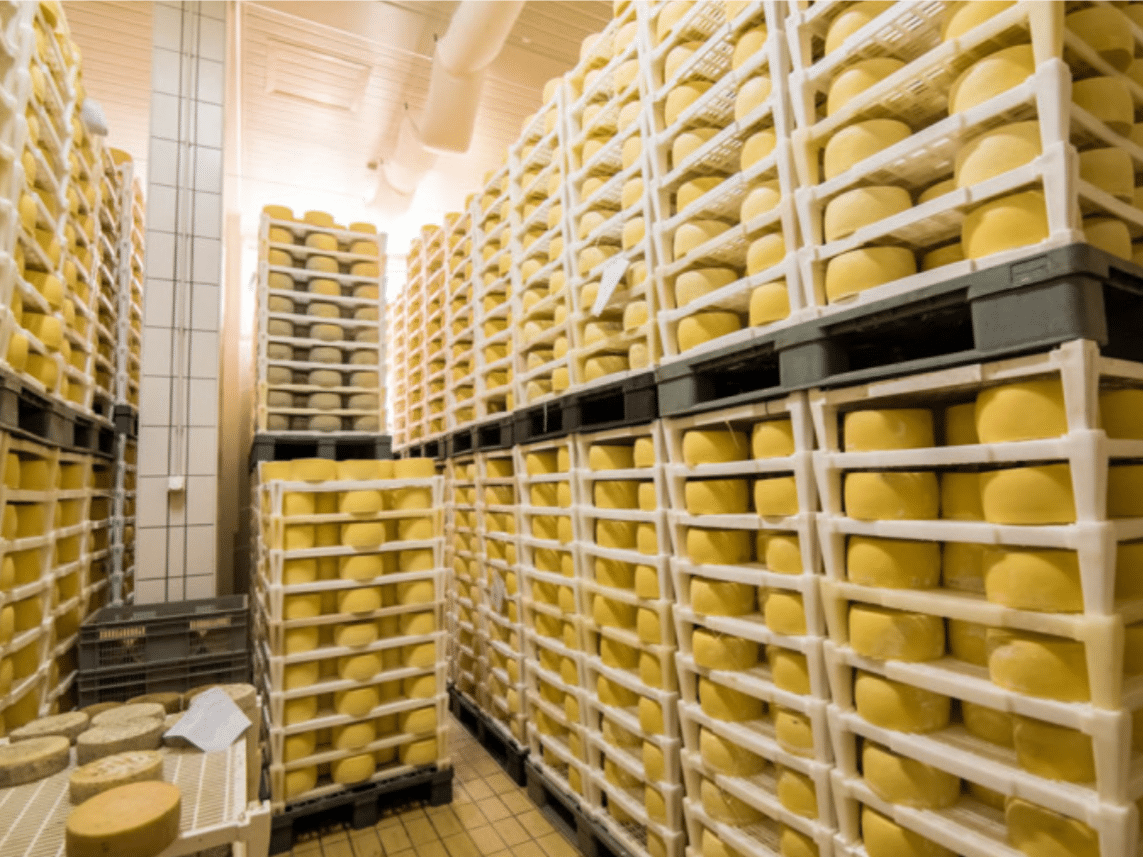
The legendary duo is Paški sir and pršut. Paški sir from the island of Pag is made from sheep’s milk, the taste of which is influenced by the sea herbs that the sheep graze on. It has a full, slightly spicy taste and goes perfectly with wine or fig jam. Dalmatinski pršut is dried in the mountain wind called “bura”, which gives it a delicate taste and characteristic aroma. You will often taste it as part of appetizers, complemented by olives, cheese, and wine.
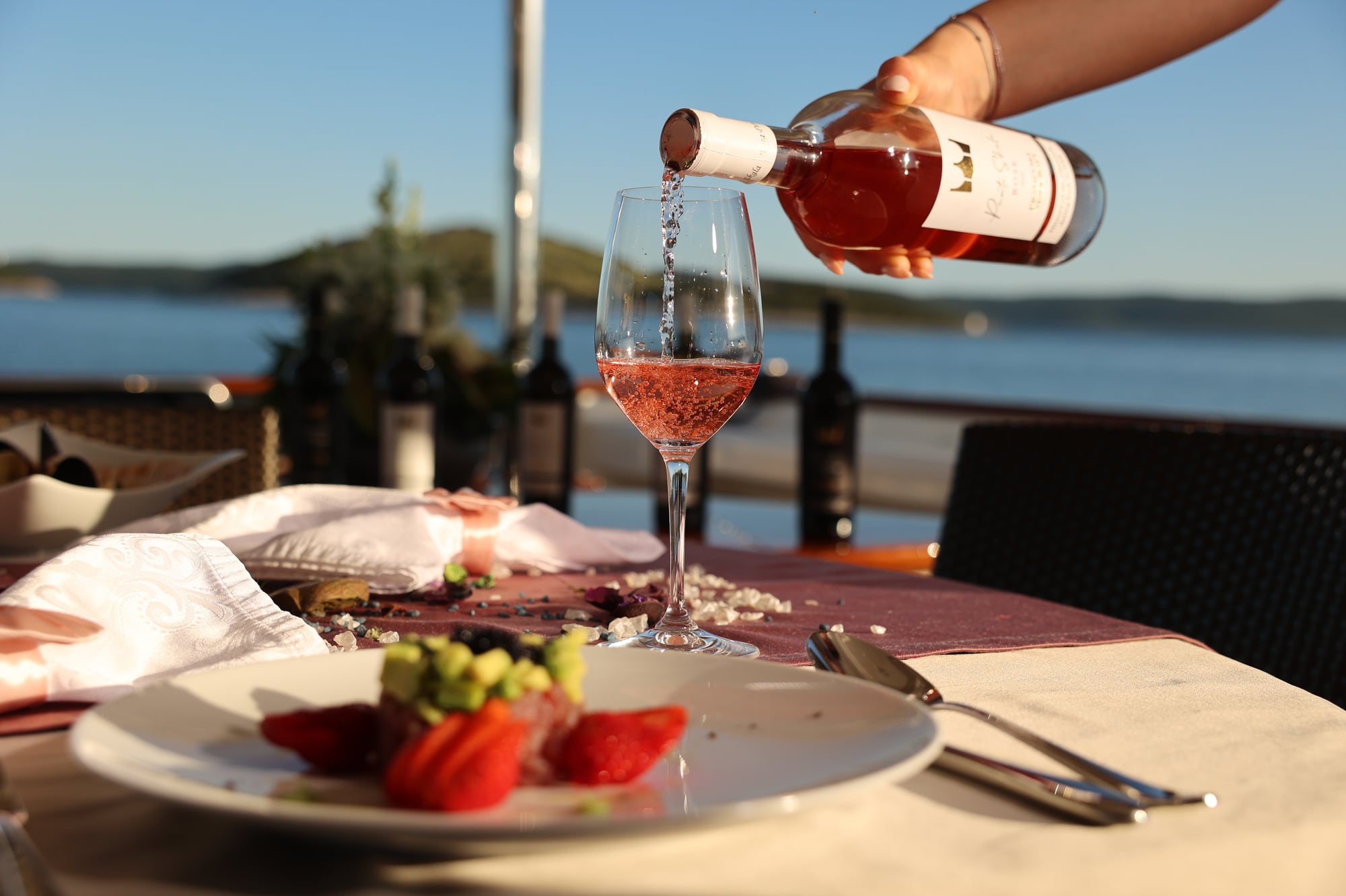
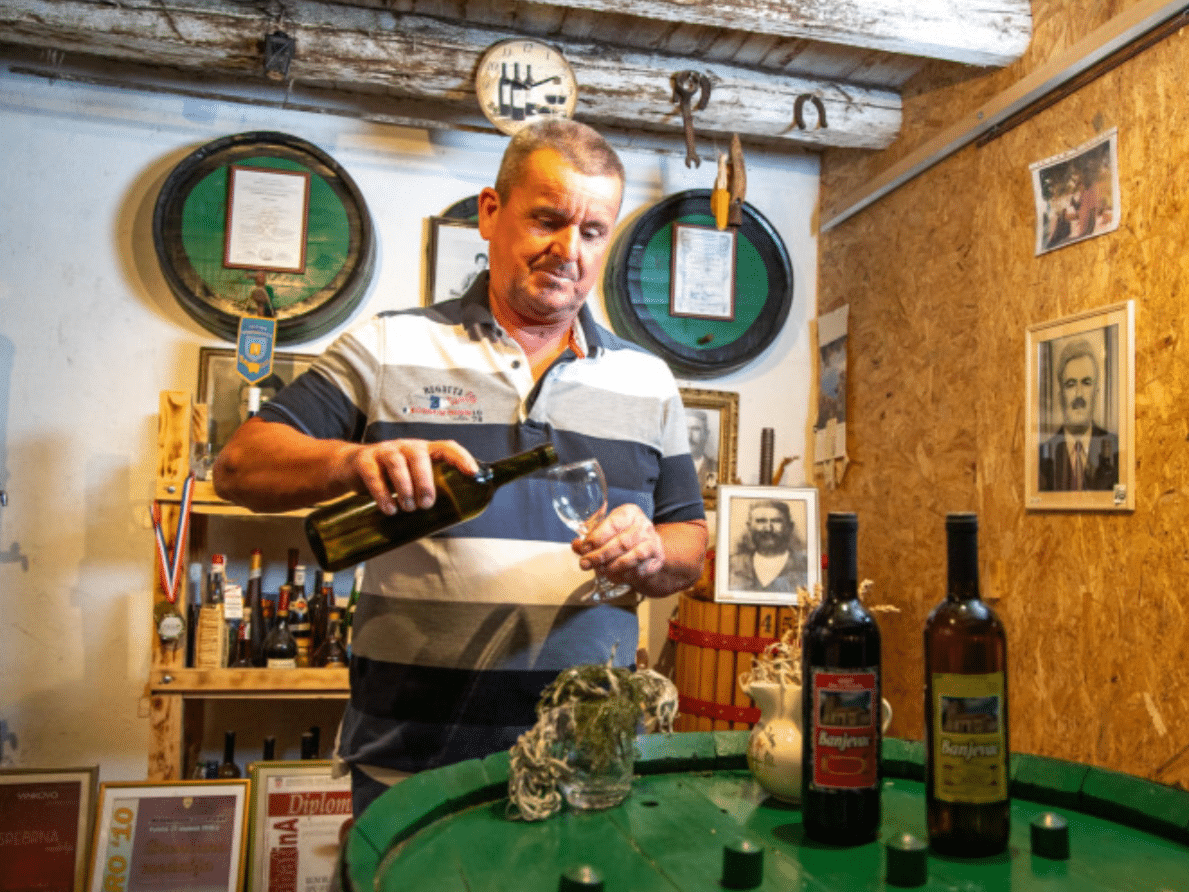
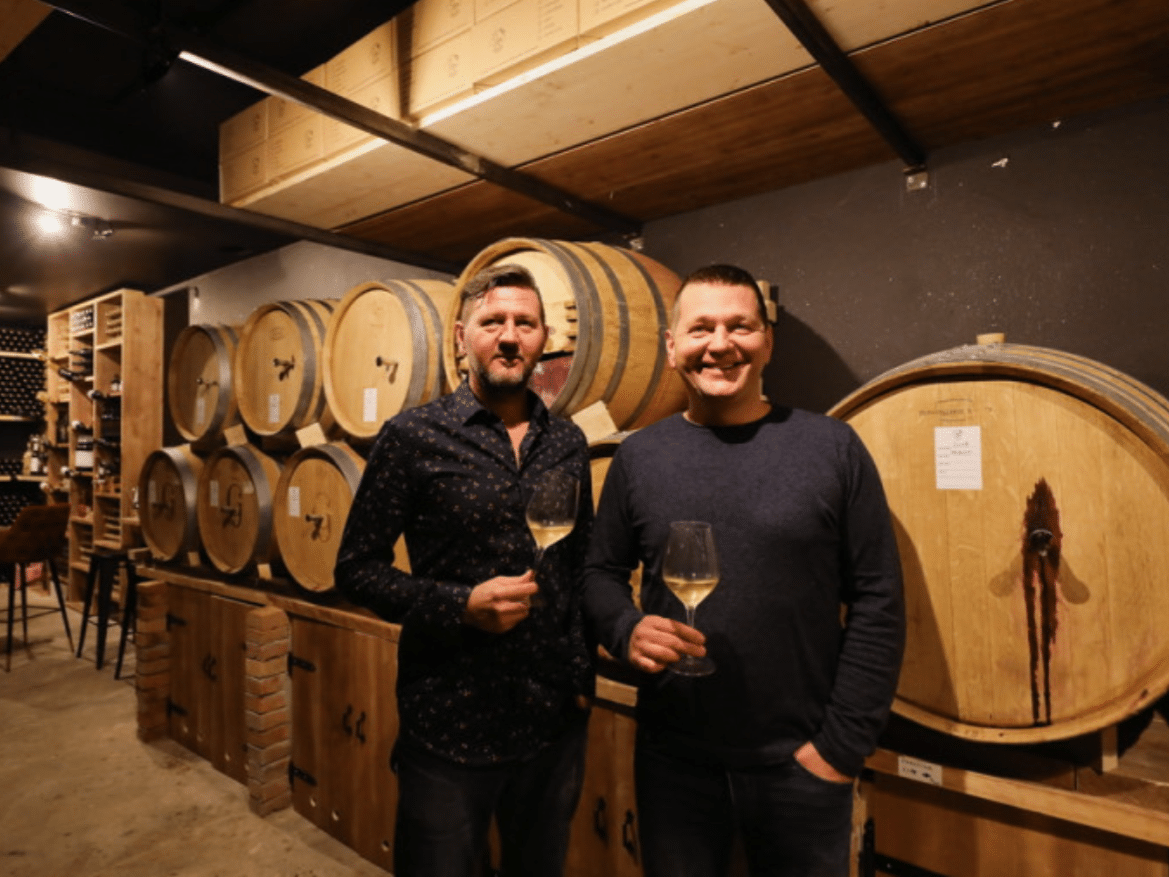
Zadar also tastes like wine. Local winemakers often combine tradition with a modern approach, and the most famous varieties of the Zadar region include Maraština, Plavina, Pošip, or red Babić.
In addition to wine, try local liqueurs – taste the herbal liqueur Travarica, or the sweet cherry liqueur Maraschino from the traditional Zadar maraska, which has been produced according to the original recipe since the 16th century.
Croatian desserts are honest, homemade, and often fragrant with honey, almonds, or figs. Try fritule, small fried balls similar to doughnuts, which are served with sugar or raisins. Lovers of richer flavors will be thrilled by rožata, the Dalmatian version of crème brûlée with a scent of caramel and rum.
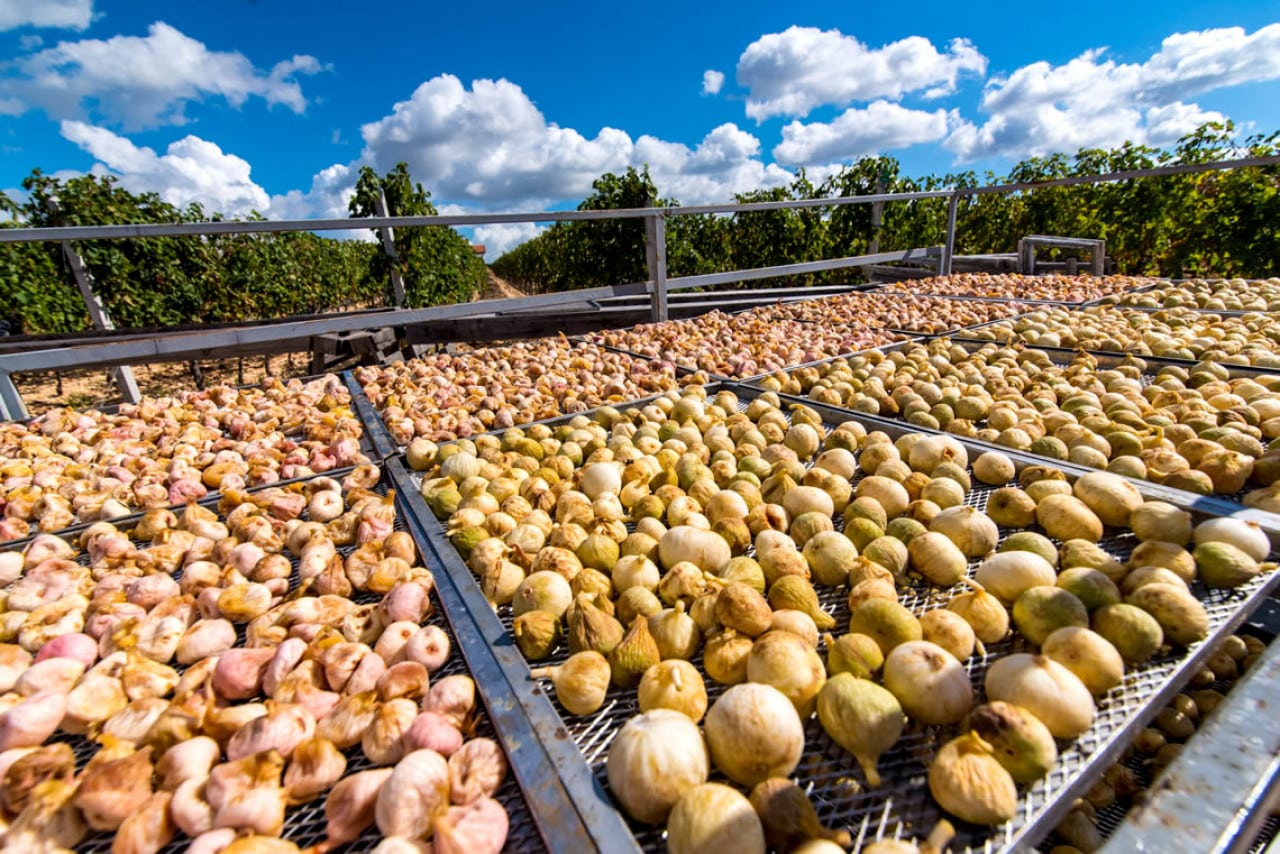
And don’t forget the dried figs and almond cookies, which you can also take home as a sweet memory of Dalmatia.